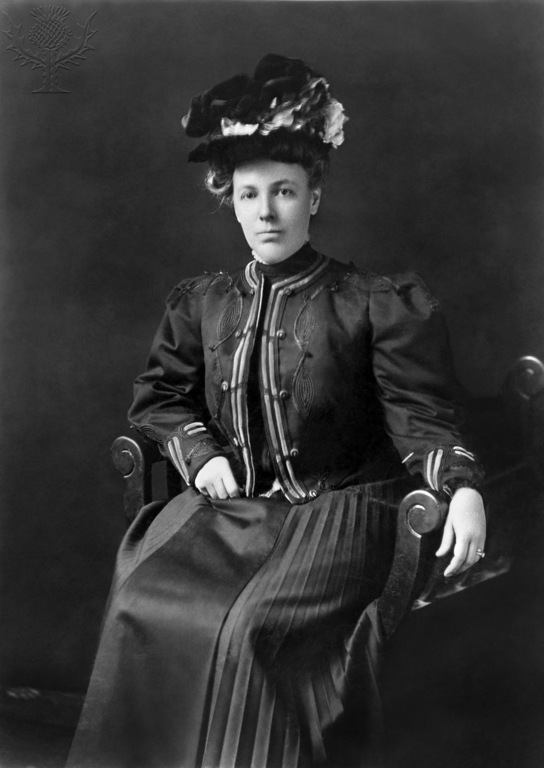
The oldest cherry blossom trees in D.C. arrived in 1912; however, the story of cultural significance began years before, in 1885, when Mrs. Eliza Ruhamah Scidmore first suggested planting cherry blossom trees. Similarly, in 1907, Dr. David Fairchild advocated growing cherry blossoms after a successful and reassuring test that cherry blossoms could survive in D.C. In 1909, Mrs. Scidmore sent a letter to First Lady Helen Herron Taft expressing her opinions on cherry blossoms in the D.C. area, and Mrs. Taft agreed. After hearing of the plan to plant Japanese cherry trees along the Speedway, Dr. Jokichi Takamine sought to donate two thousand cherry trees to the area. He asked the then mayor of Tokyo, Yukio Ozaki, to endorse the donation and give the trees in the city's name. Mayor Yukio Ozaki supported the idea, and once Mrs. Taft accepted the gift, the trees were on their way. They arrived in D.C. on January 6, 1910. Unfortunately, the trees had become infested with insects and roundworms. Much to people's disheartenment, the Department of Agriculture burned the trees to protect American growers. The Secretary of State sent letters of regret to the Japanese Ambassador.
Mayor Yukio Ozaki was among those who suggested a second donation, and after the Tokyo City Council authorized it, 3,020 trees arrived on March 26, 1912. There was a small ceremony in which Mrs. Taft and the wife of the Japanese Ambassador, Viscountess Chinda, planted two of the Yoshino trees on the northern bank of the Tidal Basin. Mrs. Taft also offered "American Beauty" roses to Viscountess Chinda. Today, a plaque stands near the trees, marking the incredible event from which the Cherry Blossom Festival sprung. Workers planted Yoshino trees around the Tidal Basin, with extra Yoshino trees and eleven other varieties placed in the East Potomac Park. In 1915, President Taft sent flowering dogwood trees to Japan as a gift.
Various civic groups sponsored the first Cherry Blossom Festival in 1934, and as the years went on, the event continued to grow. In 1954, The Japanese Ambassador offered a stone lantern to D.C. The lantern and its pair in Ueno Park in Tokyo commemorated a hundred-year anniversary of the first Treaty of Peace, Amity, and Commerce between Japan and the U.S. and represents an ongoing friendship between the two countries. The lighting of this lantern is what initiates the National Cherry Blossom Festival every year. D.C. also received the gift of a Japanese Pagoda carved from stone, which lives on the southwest bank of the Tidal Basin as of April 18, 1958. In 1965, First Lady Johnson received a gift of 3,800 trees from the Japanese government, many of them now residing on the Washington Monument grounds. The Japanese Ambassador's wife, Mrs. Ryuji Takeuchi, and Mrs. Johnson recreated 1912's planting ceremony. Since then, the bonds between the two countries have only grown as their generosity continues to endure and they share great cultural wealth.